Thoughts on design, leadership, and experience
I write about my professional experiences and things that might be of interest to others.

American Design: Why is the gas cap on the driver’s side?
Design can reveal something subtle about a culture. In small, everyday decisions that designers make without much discussion.
Take the humble gas cap on a car. On most American cars, the fuel door sits on the driver’s side. You pull up to the pump, open the lid, fill the tank, and you’re done. No walking around the car. No extra steps.

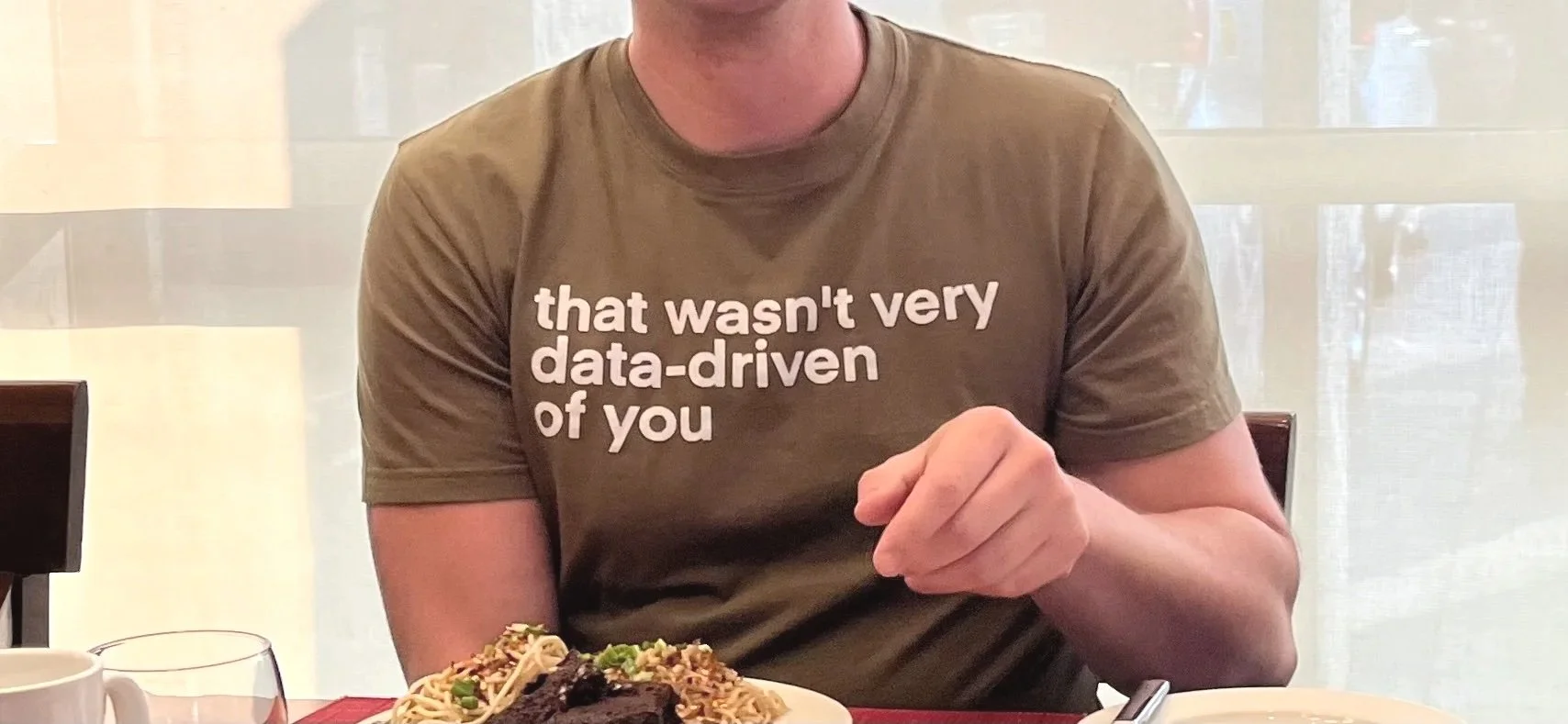
OREEO: A Practical Framework for Evidence-Driven Design
The OREEO framework helped Avalara shift design work from requested solutions to defined problems. By structuring initiatives around Observation, Reflection, Evaluation, Execution, and Optimization, and embedding the model into Project Cards, teams aligned on customer insight, validated ideas early, and measured outcomes after launch.
Designing for Trust: How Experience Consistency Drives Conversion
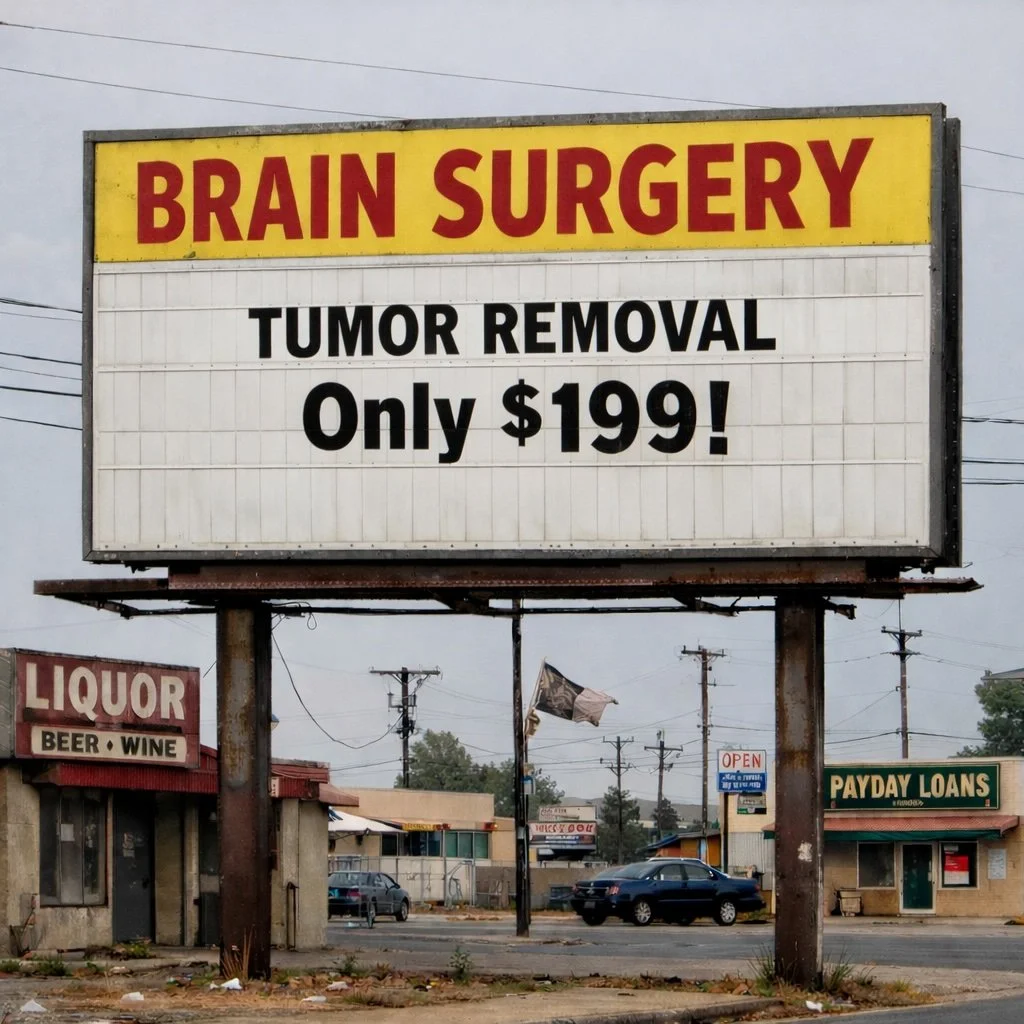
Trust is what gives customers the confidence to act. Without trust, no message persuades and no product converts.
Trust is built when every signal a customer encounters—message, design, structure, and interaction—aligns into one coherent experience. When that experience is consistent, confidence grows, and conversion follows.

Can I trust you? Can you help me?
Every human interaction begins with two questions: Can I trust you? Can you help me? These instincts are deeply rooted in our evolution. For thousands of years, survival depended on choosing the right people to cooperate with—those whose intentions we trusted and whose abilities we believed in. Even today, every decision we make still passes through this same human filter.
Design Maturity: When Design Stops Decorating and Starts Deciding
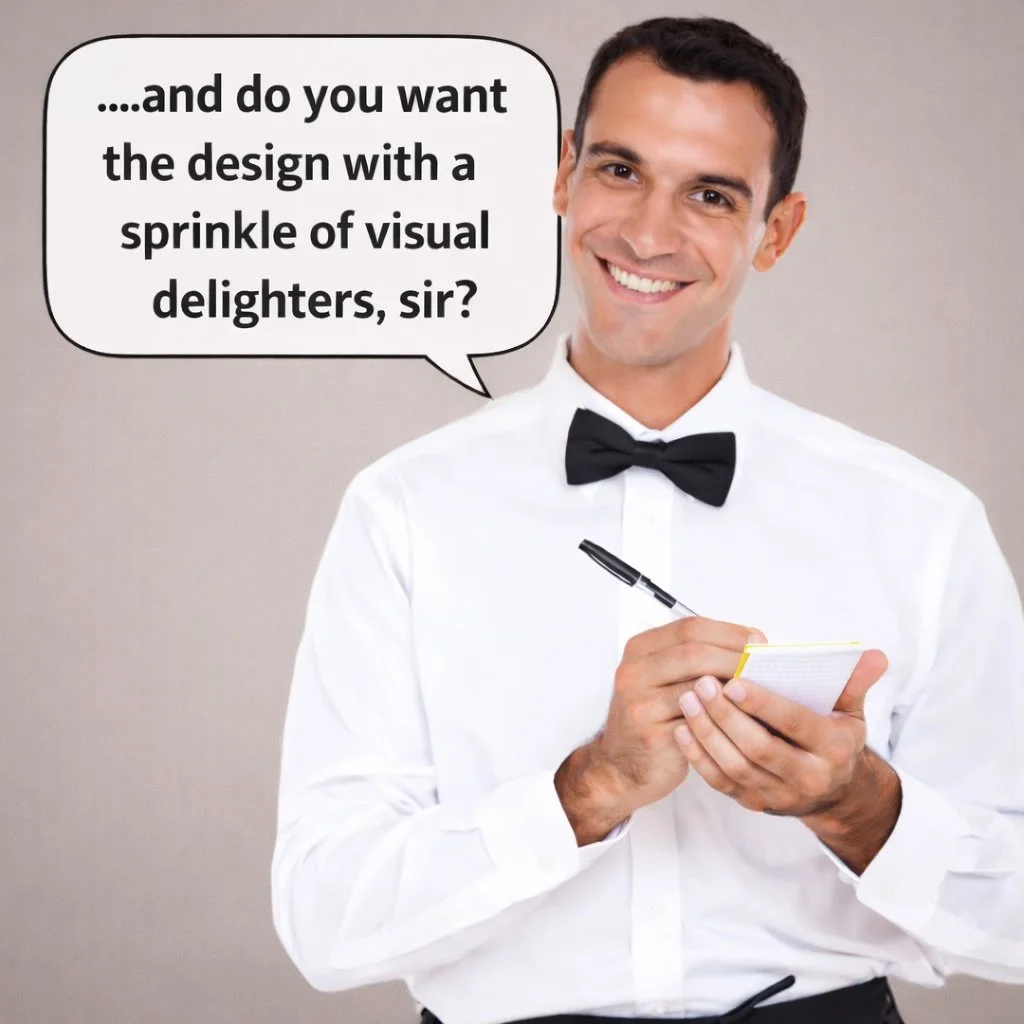
Design maturity determines the role design plays inside an organization. At low maturity, design decorates decisions made elsewhere. At higher maturity, it helps shape what gets built and why. The difference is whether design simply produces interfaces—or helps the organization understand customers and create experiences people trust and act on.
The Future of UX with AI
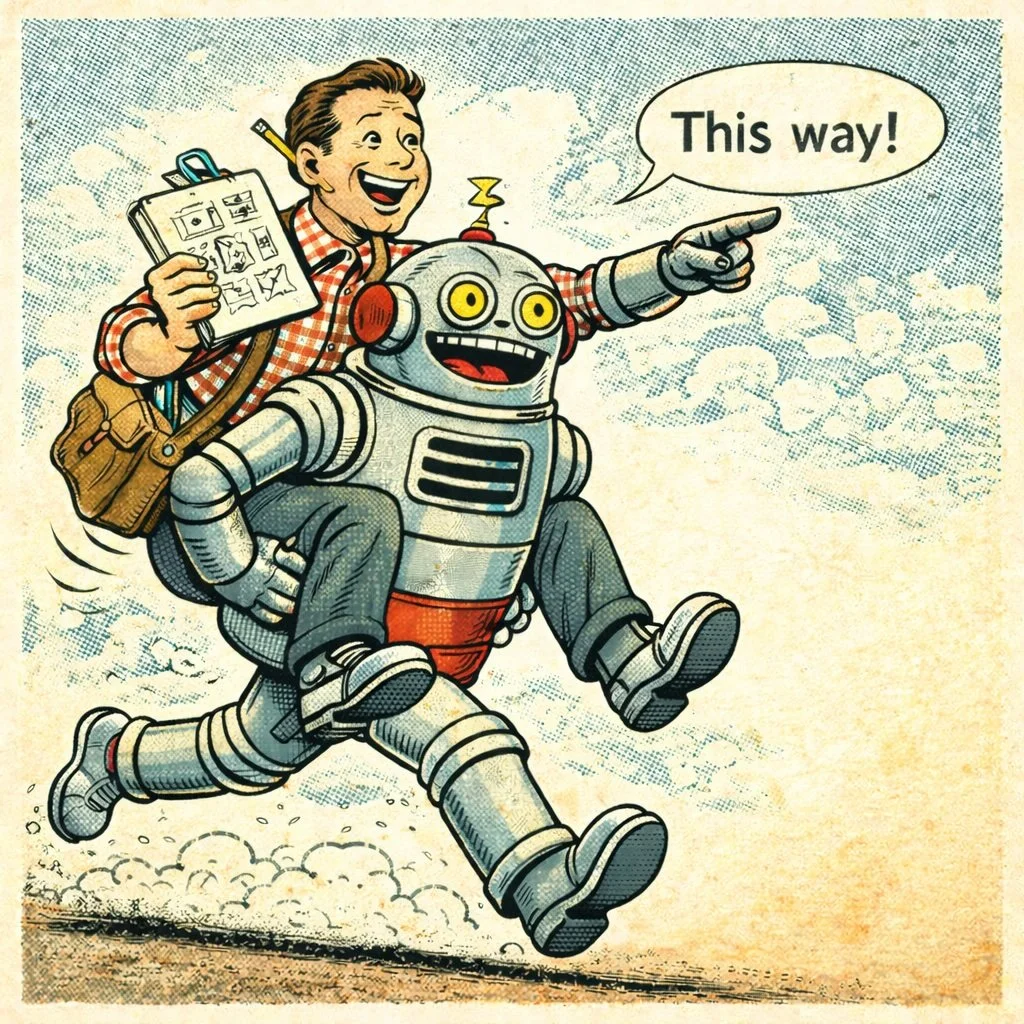
AI is transforming how experiences are built. But as systems become more intelligent, UX matters more—not less. The real challenge is designing experiences people understand, trust, and act on.